

Curious about the $90 Medicare payment? Let’s talk about how seniors can make the most of it!
A missing $90 Medicare-related payment is not pocket change on a fixed income. It is groceries, gas, prescriptions, or the sacred emergency pie fund. So yes, asking where it went is fair.
First, a missing payment doesn't automatically mean Medicare coverage is being canceled. It also does not prove Medicare has fallen into a nationwide sinkhole. More often, the answer lives in the thrilling world of paperwork, timing, plan rules, and agency records.
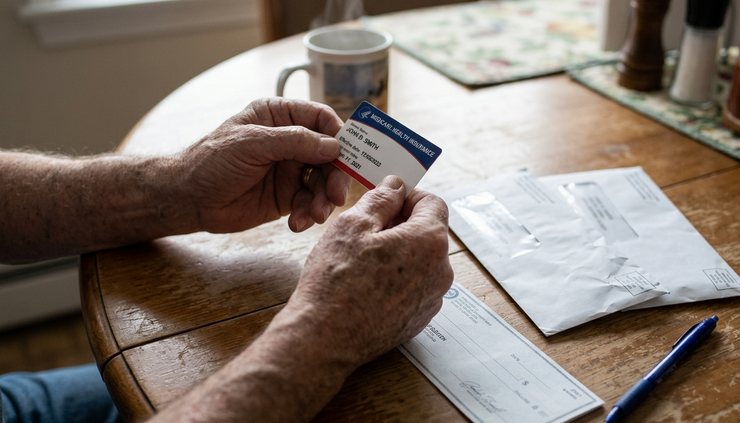
Start with the boring answer because it is often the right one.
Before assuming the worst, check the basics.
Look at:
Recent bank deposits
Medicare or Social Security notices
Plan documents from a Medicare Advantage insurer
Any mail about premium changes or benefit adjustments
Whether the payment was supposed to come by check, direct deposit, or as a plan benefit
Medicare.gov explains that Original Medicare and Medicare Advantage work differently. Medicare Advantage plans are run by private companies approved by Medicare. That means a payment or benefit tied to one plan may not apply to another.
Translation: the missing $90 may be a plan issue, not a Medicare-wide disaster.

Do not ignore it just because it may be paperwork.
Government systems make mistakes. Insurers make mistakes. People move, bank accounts change, forms get entered wrong, and one missed checkbox can send a benefit into the same mysterious realm as single socks from the dryer.
Delaware residents know this dance well. A simple government question can become three forms, two phone calls, and one trip toward Dover before lunch.
That is annoying. It is also why records matter.
Write down:
The date the payment was expected
The amount
The name of the plan or agency involved
Every call made and who answered
Any reference number given
This content is informational only. For questions about specific benefits or coverage questions, contact Medicare, Social Security, or the plan directly.
Be extra careful with Medicare Advantage confusion.
Medicare Advantage plans can include extra benefits that Original Medicare does not. Some plans advertise givebacks, cards, rebates, or other perks. The details vary by plan, ZIP code, and eligibility.
That creates confusion. Confusion attracts scammers like ants at a picnic.

Watch for the fraud red flags.
No legitimate caller should pressure someone to hand over personal information to “fix” a missing Medicare payment.
Be suspicious if someone asks for:
A Medicare number
A Social Security number
Bank account details
A payment by gift card, wire transfer, or cryptocurrency
A quick decision before “benefits expire”
Medicare advises people to guard their Medicare number like a credit card. Good advice. Better than learning fraud prevention after somebody named “Agent Kevin” raids the checking account from a call center with suspicious rooster noises in the background.
What to do next
Call the source directly using a trusted number. Social Security: 1 (800) 772-1213.
Use the number on the official plan card, Medicare.gov, or SSA.gov.
Do not use a number from a random text, voicemail, or flyer.
Ask one clear question: Where was the $90 supposed to come from, and why did it not arrive?
Then keep notes. If one answer sounds wrong, call again or request written confirmation.

The bottom line is pretty straightforward: If you’re missing a $90 payment, don’t panic—but don’t ignore it either. Check your Medicare records, confirm where the payment was supposed to come from, and be extremely cautious about anyone who contacts you unexpectedly and asks for personal or financial information to “fix” the problem. "Chapter can also help" 1 (631) 961-8696
After all, there’s already enough confusion without handing your information to a scammer who apparently majored in “Government Benefits.”
Source: Doug In Exile.
Original discussion: Doug In Exile on YouTube
Chapter: Chapter website 1 (631) 961-8696
SSA.gov. 1 (800) 772-1213


Comments